
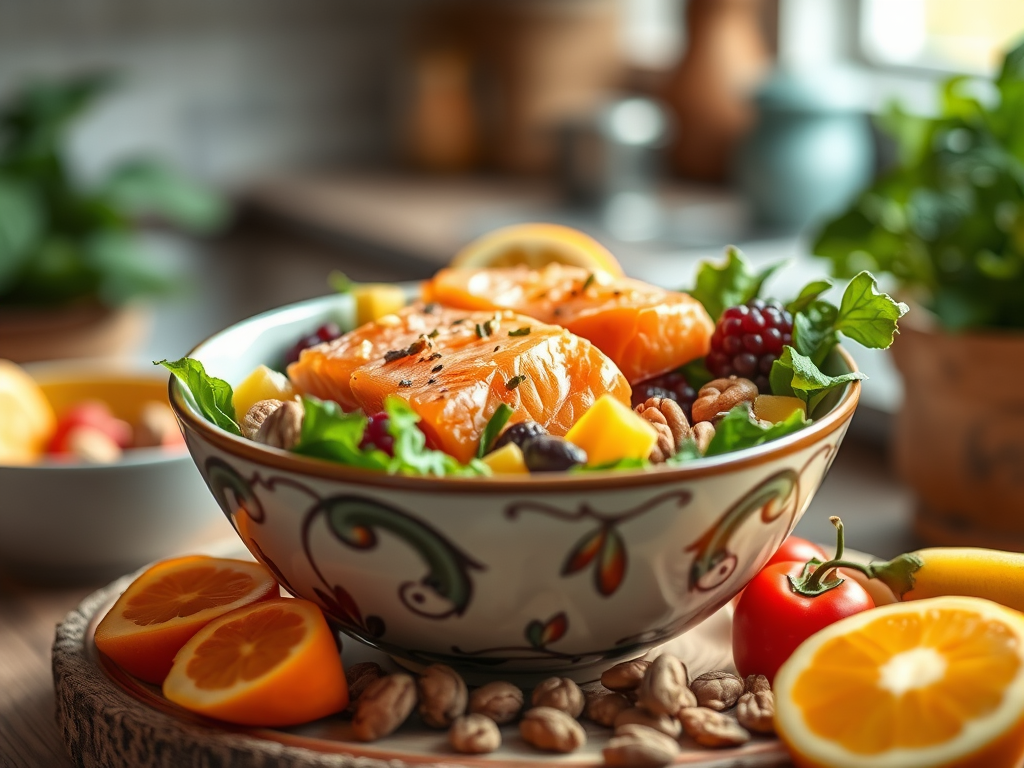
Feeling overwhelmed by stress and anxiety, yet reaching for the wrong foods to cope? That fleeting comfort from empty calories often leaves your mind more restless than before.
In this article, we’ll dive into Emotional Nutrition and explore how choosing the right foods can actually calm your mind and nurture your well-being from the inside out.
Understanding Emotional Nutrition and Its Importance
Hello, I’m Maya, a holistic nutritionist passionate about the deep link between food and emotions. Emotional nutrition is about choosing foods that not only nourish your body but also support mental calmness and emotional well-being.
Our emotions heavily influence what and how we eat—stress or anxiety often trigger cravings for comfort foods, usually high in sugar or fat. Ironically, these choices may provide temporary relief but tend to worsen mental restlessness and fatigue in the long run.
The Science Behind Emotional Nutrition
Certain foods affect neurotransmitters in the brain, influencing mood and stress levels. Eating mindfully and choosing ingredients that promote balance can help soothe anxiety and improve resilience to daily pressures.
Foods rich in omega-3 fatty acids, magnesium, and antioxidants feed the nervous system and foster relaxation. Understanding this impact empowers you to make smarter food choices that calm your mind and boost overall well-being.
Why It Matters
By practicing emotional nutrition, you break the cycle of stress-driven eating and cultivate a positive relationship with food—one that heals both mind and body.
Ready to transform your nutrition for mental peace? Find guidance at Healthboosted Shop.
Explore more on Wikipedia – Nutrition.
Key Nutrients That Promote Mental Calmness
Hi, I’m Sarah, a nutrition coach who’s seen how what we eat profoundly affects our mental calmness. Certain key nutrients help soothe anxiety and stress, fostering a peaceful mind.
Omega-3 fatty acids are champions of brain health. Found in fatty fish like salmon, walnuts, and flaxseeds, they regulate neurotransmitters that influence mood and can reduce symptoms of anxiety.
Magnesium plays a vital role in calming the nervous system. Leafy greens, nuts, seeds, and whole grains are excellent sources. Magnesium helps relax muscles and promotes better sleep, two essentials for mental calm.
Antioxidants—like vitamins C and E—combat oxidative stress linked to anxiety. Foods rich in colorful fruits and vegetables, such as berries, citrus, and spinach, provide these powerful compounds.
Nutrient Timing and Absorption
Pairing these nutrients with healthy fats improves absorption. For example, adding avocado or olive oil to a salad rich in leafy greens maximizes magnesium intake.
Consistent intake over time supports steady mental balance rather than quick fixes.
By including these nutrient-rich foods regularly, you support your body’s natural ability to maintain calm and resilience.
Find more nutrient guides and recipes at Healthboosted Shop.
Learn about these nutrients on Wikipedia – Nutrition.
Foods to Avoid for a Calm Mind
Hi, I’m Daniel, a health coach who’s helped many people identify foods that unintentionally spike stress and anxiety. If you want to embrace emotional nutrition for a calm mind, avoiding certain foods is just as important as adding the right ones.
Common Culprits
High sugar foods cause rapid blood sugar spikes followed by crashes, leading to mood swings and increased anxiety. Sweets, sodas, and many processed snacks pack more sugar than you realize.
Caffeine is another frequent offender. While it boosts alertness, excess coffee, energy drinks, and sodas can overstimulate the nervous system, triggering jitteriness and restless thoughts.
Highly processed foods often contain additives, preservatives, and unhealthy fats that may disrupt brain chemistry and inflammation, worsening stress responses.
Hidden Triggers and Mindful Alternatives
Beware of hidden sugars and caffeine in seemingly harmless foods like flavored yogurts and chocolate bars. Gradually swapping these for whole foods—like fresh fruit, nuts, and herbal teas—helps stabilize mood naturally.
Reducing intake of these triggers supports your journey toward mental calmness and balanced emotional nutrition.
Find more guidance on calming food choices at Healthboosted Shop.
Learn about healthy diets on Wikipedia – Nutrition.
Practical Tips for Choosing Mind-Calming Foods Daily
Hello, I’m Nina, a wellness coach who helps busy people make better food choices to support mental calmness. Incorporating emotional nutrition into your daily life is easier than you think—with the right strategies, you can nourish your mind one meal at a time.
Meal Planning and Preparation
Start by planning simple meals that include foods rich in omega-3s, magnesium, and antioxidants—think salmon, leafy greens, berries, and nuts. Preparing snacks like trail mix or yogurt with fruit ahead of time helps you avoid reaching for less calming options when cravings hit.
Mindful Eating Techniques
Slow down and savor every bite. Paying close attention to flavors and textures can improve digestion and help you recognize when you’re truly full, reducing stress-eating impulses.
Tips for Grocery Shopping and Managing Cravings
Stick to the perimeter of the store where fresh produce and whole foods live. Avoid aisles heavy with processed snacks. When cravings arise, try a handful of almonds or a warm cup of herbal tea as a soothing alternative.
By adopting these small but intentional habits, you create a supportive daily routine that nurtures your mental and emotional well-being.
Discover more tips and recipes at Healthboosted Shop.
Explore mindful eating on Wikipedia – Mindfulness.
The Connection Between Emotional Nutrition and Physical Fitness
Hi, I’m Carlos, a fitness and nutrition coach who believes that emotional nourishment is key not only for mental calm but also physical performance and recovery. When you choose foods that calm the mind, you’re also fueling your body for better fitness results.
How Emotional Nutrition Supports Physical Fitness
Eating nutrient-dense, mind-calming foods stabilizes stress hormones like cortisol, which can interfere with muscle recovery and energy levels when elevated. Balanced blood sugar from wholesome meals provides sustained energy during workouts and daily activities.
Additionally, antioxidants and anti-inflammatory compounds in foods like berries and leafy greens reduce exercise-related oxidative stress, speeding up recovery and reducing soreness.
Nutrition Timing Around Workouts
Consuming calming foods rich in omega-3s, magnesium, and protein before or after exercise can enhance both mental focus during training and muscle repair afterward. For example, a salmon salad or a smoothie with spinach and berries makes an excellent post-workout meal.
By linking emotional nutrition with physical fitness, you create a holistic approach that strengthens both mind and body—helping you perform better and recover faster.
Explore tailored nutrition plans at Healthboosted Shop.
Learn more on Wikipedia – Physical fitness.
Incorporating Emotional Nutrition into a Healthy Lifestyle
Hi, I’m Emma, a holistic health coach. From my experience, emotional nutrition thrives best when it’s part of a balanced lifestyle that includes physical activity, restful sleep, and stress management.
Start by integrating nutrient-rich, calming foods into your meals while staying active—whether that’s walking, yoga, or strength training—which naturally reduces stress and boosts mood.
Sleep and Stress Reduction
Quality sleep is essential. Foods rich in magnesium and tryptophan can support restful nights. Pair your nutrition changes with mindful breathing or meditation to calm the nervous system.
Lifestyle Tracking and Support
Keeping a simple food and mood journal helps identify how certain foods affect your emotional well-being. Connecting with supportive communities—online or local groups—can motivate long-term healthy habits.
By combining emotional nutrition with movement, sleep, and stress relief, you build a sustainable foundation for mental calm and physical vitality.
Discover more holistic tips and plans at Healthboosted Shop.
Learn about lifestyle medicine on Wikipedia – Lifestyle medicine.
Frequently Asked Questions About Emotional Nutrition
Hi, I’m Olivia, a nutrition consultant passionate about clear, practical answers to common concerns. Here are some frequently asked questions about emotional nutrition and how choosing foods that calm the mind can fit into your life.
Q: Can food really affect my mood and stress levels?
A: Absolutely. Nutrients like omega-3 fatty acids, magnesium, and antioxidants support brain function and calm the nervous system, helping reduce anxiety and stress.
Q: How long does it take to feel the benefits of eating for mental calmness?
A: It varies, but many people notice improvements in mood and energy within a few weeks of consistent, mindful eating focused on calming foods.
Q: What are some easy mind-calming snacks I can try?
A: Nuts, yogurt with berries, avocado on whole-grain toast, and herbal teas are simple options that nourish both body and mind.
Q: How do I avoid emotional eating that worsens stress?
A: Practice mindful eating by slowing down, noticing hunger cues, and choosing nourishing foods. Keep healthy snacks handy to reduce cravings for sugary or processed items.
Quick Tips for Emotional Nutrition Success
- Plan meals with calming nutrients.
- Stay hydrated for brain health.
- Combine nutrition with stress-reduction activities like meditation.
For more tips and personalized plans, visit Healthboosted Shop.
Learn more at Wikipedia – Nutrition.
Conclusion: Nurturing Your Mind Through Food
Hi, I’m Rachel, a health coach who’s seen how profound the impact of emotional nutrition can be. Choosing foods intentionally to calm your mind is a powerful step toward better mental health and overall well-being.
Remember, emotional nutrition isn’t about strict diets or perfection—it’s about tuning in to your body’s needs and selecting nourishing foods that support both your mind and body. Incorporating omega-3 rich fish, magnesium-packed greens, and antioxidant fruits helps ease stress and promote calmness naturally.
The Journey Ahead
Embrace this mindful approach as a journey, not a quick fix. Combine nourishing foods with other healthy habits like quality sleep, physical activity, and stress management techniques to create a balanced lifestyle.
By adopting mindful food choices, you’re actively nurturing mental clarity and emotional resilience. Start small, stay consistent, and watch how food becomes a tool for peace and strength.
Explore more tips and resources at Healthboosted Shop.
Learn about nutrition on Wikipedia – Nutrition.
We’ve reached the End
Choosing foods that soothe your mind helps break stress-eating cycles and supports lasting calm and resilience. Start applying these mindful nutrition tips today and feel the difference.
Share your journey and explore more wellness insights at Healthboosted Shop for a balanced, peaceful lifestyle!
FAQ Questions and Answers about Emotional Nutrition: How to Choose Foods That Calm the Mind
Here we’ve gathered the most frequent questions about emotional nutrition so you leave here without any doubt on how to choose foods that calm your mind.
Can food really affect my mood and stress levels?
Absolutely. Nutrients like omega-3 fatty acids, magnesium, and antioxidants support brain function and calm the nervous system, helping reduce anxiety and stress.
How long does it take to feel the benefits of eating for mental calmness?
It varies, but many people notice improvements in mood and energy within a few weeks of consistent, mindful eating focused on calming foods.
What are some easy mind-calming snacks I can try?
Nuts, yogurt with berries, avocado on whole-grain toast, and herbal teas are simple options that nourish both body and mind.
How do I avoid emotional eating that worsens stress?
Practice mindful eating by slowing down, noticing hunger cues, and choosing nourishing foods. Keep healthy snacks handy to reduce cravings for sugary or processed items.
Which foods should I avoid to maintain emotional nutrition and a calm mind?
Avoid high sugar foods, excessive caffeine, and highly processed snacks as they can spike stress and anxiety, disrupting your emotional balance.
How can emotional nutrition support my physical fitness journey?
Choosing foods that calm the mind also stabilizes stress hormones and provides sustained energy, helping with better workout performance and faster recovery.