
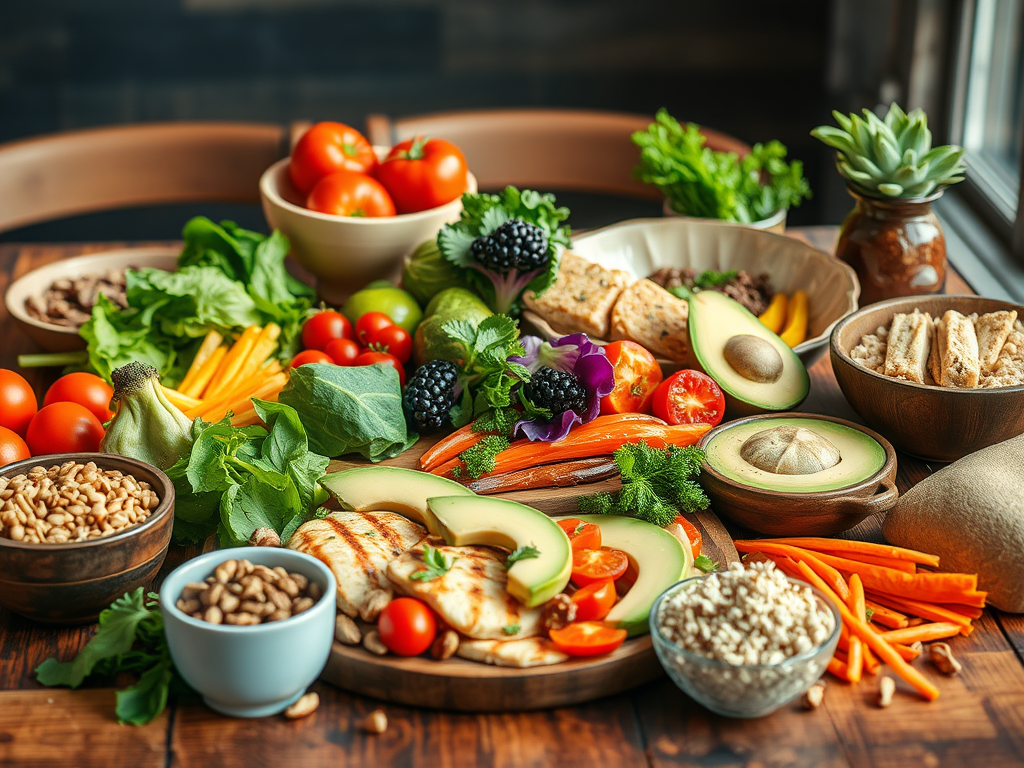
Nutrition is one of the most debated topics in health and fitness. Low-carb, low-fat, keto, paleo, vegan, carnivore—everyone claims to have the perfect solution. Yet despite the noise, the fundamentals of healthy nutrition have remained remarkably stable.
Eating well is not about perfection, restriction, or following trends. It is about fueling your body in a way that supports energy, physical performance, mental clarity, and long-term health.
This article breaks down nutrition basics in a clear, practical way, helping you understand what to eat, why it matters, and how to build sustainable habits that last a lifetime. It is a core satellite article within the pillar guide Health and Fitness: The Complete Guide to Building a Healthy Body and an Active Life.
What Does “Eating Healthy” Really Mean?
Healthy eating is not a single diet—it is a pattern of behavior.
At its core, good nutrition:
- Provides sufficient energy
- Supplies essential nutrients
- Supports physical activity and recovery
- Reduces disease risk
- Is sustainable long term
A healthy diet works with your lifestyle, not against it.
Energy Balance: The Foundation of Nutrition
Everything in nutrition rests on energy balance.
- Eat more energy than you burn → weight gain
- Eat less energy than you burn → weight loss
- Eat roughly what you burn → weight maintenance
Calories are not the enemy—they are a measurement of energy.
Understanding energy balance removes guilt and confusion from eating decisions.
Macronutrients Explained Simply
Macronutrients provide calories and perform distinct roles in the body.
Protein: The Structural Nutrient
Protein is essential for:
- Muscle repair and growth
- Enzyme and hormone production
- Immune function
- Satiety
Sources include:
- Meat, poultry, fish
- Eggs
- Dairy
- Legumes
- Tofu and tempeh
For most active adults, protein should be prioritized at each meal.
Carbohydrates: The Primary Fuel Source
Carbohydrates fuel:
- Physical activity
- Brain function
- High-intensity exercise
Quality matters more than elimination.
Prefer:
- Fruits
- Vegetables
- Whole grains
- Legumes
Carbs are not inherently fattening—they are often misunderstood.
Fats: Hormonal and Cellular Support
Dietary fats support:
- Hormone production
- Cell membranes
- Nutrient absorption
Healthy fat sources include:
- Olive oil
- Nuts and seeds
- Avocados
- Fatty fish
Balance is key.
Micronutrients: Small but Critical
Vitamins and minerals regulate:
- Energy production
- Bone health
- Immune function
- Nervous system health
A varied diet rich in whole foods usually provides sufficient micronutrients.
Whole Foods vs Ultra-Processed Foods
Whole foods are minimally processed and nutrient-dense.
Ultra-processed foods tend to be:
- High in calories
- Low in nutrients
- Easy to overconsume
Healthy nutrition does not require eliminating processed foods—but limiting them improves health outcomes dramatically.
Eating for Energy and Daily Performance
Consistent energy levels depend on:
- Regular meals
- Adequate protein
- Balanced carbohydrates
- Hydration
Skipping meals or extreme restriction often leads to fatigue and cravings.
Nutrition for Physical Performance
To perform well, your body needs fuel.
Key principles:
- Eat enough to support training
- Prioritize carbohydrates around workouts
- Consume protein regularly
- Stay hydrated
Under-eating is one of the most common causes of stalled progress.
Nutrition and Longevity
Long-term health is influenced by dietary patterns over decades.
Common traits of longevity-focused diets:
- High intake of vegetables and fruits
- Adequate protein
- Healthy fats
- Moderate calorie intake
- Cultural and social enjoyment of food
Longevity is built on consistency—not restriction.
Meal Timing: Does It Matter?
Meal timing can support performance, but it is secondary to total intake.
General guidelines:
- Eat protein evenly across the day
- Fuel workouts appropriately
- Avoid large meals immediately before sleep
There is no single “perfect” eating schedule.
Hydration: The Overlooked Nutrient
Even mild dehydration impairs:
- Physical performance
- Cognitive function
- Mood
Drink water consistently throughout the day, adjusting for activity and climate.
Common Nutrition Myths
- “Carbs make you fat”
- “Eating after 6 PM causes weight gain”
- “You must eat perfectly to be healthy”
Nutrition is not all-or-nothing.
Building Sustainable Eating Habits
Healthy eating succeeds when habits are simple.
Effective strategies:
- Base meals around protein and vegetables
- Plan meals loosely, not rigidly
- Allow flexibility for social life
- Focus on weekly consistency
Perfection is unnecessary. Consistency is powerful.
Nutrition and Mental Health
Food influences mood, focus, and stress resilience.
Stable blood sugar, adequate nutrients, and sufficient calories support mental well-being.
Extreme diets often harm both physical and mental health.
Who This Nutrition Approach Is For
This approach works for:
- Beginners
- Busy professionals
- Active individuals
- People over 40
- Anyone seeking long-term health
It is not designed for extreme dieting or short-term fixes.
Final Thoughts
Nutrition does not need to be complicated to be effective.
Eat mostly whole foods. Prioritize protein. Fuel your activity. Stay hydrated. Allow flexibility.
When nutrition supports your life instead of controlling it, energy improves, performance increases, and health compounds over time.
That is the power of mastering the basics.
11 thoughts on “Nutrition Basics: How to Eat for Energy, Performance, and Longevity”