
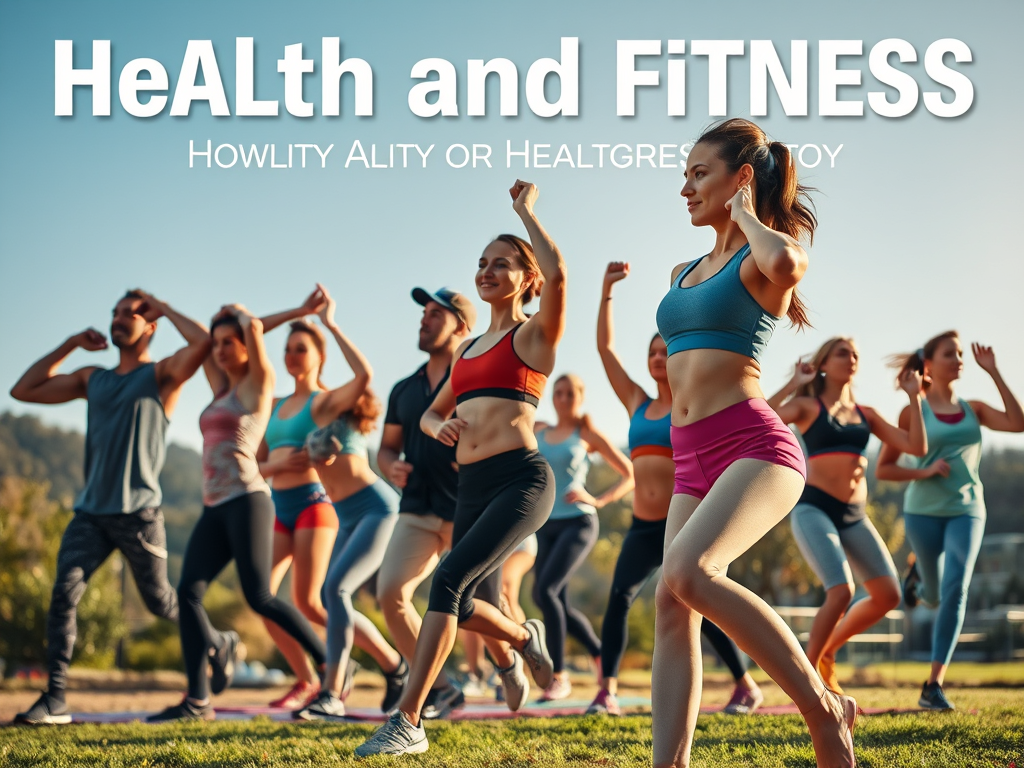
Building a healthy body and maintaining an active life is not about chasing perfection, extreme diets, or punishing workout routines. It is about creating a sustainable system—one that supports physical strength, mental clarity, emotional balance, and long-term vitality. In a world filled with conflicting advice, quick fixes, and social media noise, this guide is designed to be your clear, evidence-informed roadmap.
This pillar article connects every essential element of health and fitness into one cohesive framework. Whether your goal is fat loss, muscle building, improved energy, longevity, or simply feeling better in your own body, the principles here apply universally.
Throughout this guide, you will find direct links to in-depth satellite articles that explore each topic in greater detail. Think of this page as the central hub—the foundation upon which your healthy lifestyle is built.
What Health and Fitness Really Mean (Beyond the Basics)
Health is not just the absence of disease, and fitness is not defined by visible abs or lifting heavy weights. True health and fitness involve:
- Physical capability (strength, endurance, mobility)
- Metabolic health (energy balance, insulin sensitivity)
- Hormonal balance
- Mental and emotional resilience
- Lifestyle alignment (sleep, stress, movement)
A healthy body is one that functions well, adapts to stress, and recovers efficiently. An active life is one where movement is a natural part of daily living—not something you force yourself to do for a few weeks before quitting.
👉 Deep dive: Active Lifestyle vs Gym Life: Why Movement Outside the Gym Matters
The Role of Physical Activity in a Healthy Life
Movement is the most powerful, underrated medicine available. Regular physical activity improves cardiovascular health, strengthens bones, regulates hormones, supports mental health, and significantly reduces the risk of chronic disease.
But not all movement needs to happen in a gym.
An effective fitness strategy includes:
- Structured training (strength, cardio, mobility)
- Unstructured movement (walking, playing, daily activity)
- Recovery-focused movement (stretching, low-intensity sessions)
👉 Explore training foundations:
- Strength Training 101: How to Build Muscle Safely at Any Age
- Cardio Explained: How Much You Really Need for Heart Health and Fat Loss
Strength Training: The Backbone of Physical Health
Strength training is not optional—it is essential. Muscle is a metabolic organ that supports glucose regulation, joint stability, posture, injury prevention, and longevity.
Contrary to common myths, strength training:
- Does not make you bulky by default
- Is safe at any age when done correctly
- Improves bone density and hormonal health
The key principles include progressive overload, proper technique, adequate recovery, and consistency over time.
👉 Learn more: Strength Training 101: How to Build Muscle Safely at Any Age
Cardio: Heart Health, Endurance, and Fat Loss
Cardiovascular training supports heart health, lung capacity, and energy systems. The mistake most people make is assuming more cardio equals better results.
In reality:
- A mix of low-intensity and high-intensity work is ideal
- Excessive cardio can interfere with recovery and hormones
- Cardio should complement strength training—not replace it
👉 Science-based breakdown: Cardio Explained: How Much You Really Need for Heart Health and Fat Loss
Designing Workouts That Fit Real Life
The best workout program is the one you can stick to.
Your training plan should reflect:
- Your schedule
- Your stress levels
- Your recovery capacity
- Your preferences
Busy people do not need complex routines—they need efficient structure.
👉 Practical programming: The Best Workout Split for Busy People
👉 No gym required: Home Workouts That Actually Work (No Equipment Needed)
Functional Fitness: Training for Life, Not Just Looks
Functional fitness focuses on movement patterns that translate directly to daily life: lifting, carrying, twisting, balancing, and stabilizing.
Benefits include:
- Reduced injury risk
- Better posture and coordination
- Improved quality of life as you age
👉 Real-world training: Functional Fitness: Training for Real Life, Not Just the Gym
Nutrition: Fueling the Body, Not Fighting It
Nutrition is not about restriction—it is about support.
Food provides:
- Energy for movement
- Building blocks for muscle and tissue
- Signals that regulate hormones and metabolism
A healthy diet prioritizes whole foods, adequate protein, fiber-rich carbohydrates, healthy fats, and micronutrient diversity.
👉 Foundation guide: Nutrition Basics: How to Eat for Energy, Performance, and Longevity
Sustainable Weight Loss and Body Composition
Weight loss is not a moral issue—it is a biological and behavioral process.
Extreme dieting leads to:
- Muscle loss
- Hormonal disruption
- Weight regain
Sustainable fat loss focuses on habits, calorie awareness, protein intake, resistance training, and patience.
👉 Realistic approach: Weight Loss Without Extremes: Sustainable Fat Loss Strategies
Understanding Macronutrients Without the Confusion
Protein, carbohydrates, and fats all play essential roles. Eliminating entire food groups often causes more harm than good.
- Protein supports muscle and satiety
- Carbohydrates fuel performance and brain function
- Fats regulate hormones and nutrient absorption
👉 Clear explanation: Protein, Carbs, and Fats: What Your Body Really Needs
Meal Timing, Fasting, and Metabolism
When you eat can matter—but what and how much you eat matter more.
Intermittent fasting, meal timing, and nutrient distribution can be useful tools, but they are not magic solutions.
👉 Evidence-based view: Meal Timing, Fasting, and Metabolism: What Science Actually Says
Supplements: Help or Hype?
Most progress comes from training, nutrition, sleep, and consistency—not pills.
However, some supplements can support performance and health when used correctly.
👉 Honest breakdown: Supplements: Which Ones Help and Which Are a Waste of Money
Recovery: Where Progress Actually Happens
Training stimulates change. Recovery creates it.
Without adequate recovery, you risk:
- Injury
- Hormonal imbalance
- Burnout
Recovery includes sleep, rest days, stress management, and nutrition.
👉 Essential reading: The Importance of Sleep for Muscle Growth, Fat Loss, and Mental Health
👉 Warning signs: Overtraining, Burnout, and How to Know When Your Body Needs Rest
Hormones and Fitness: A Delicate Balance
Exercise directly affects hormones such as testosterone, estrogen, insulin, and cortisol.
The goal is not to train harder—but to train smarter.
👉 Hormonal insight: Testosterone, Estrogen, and Cortisol: How Fitness Impacts Hormones
Mindset: The Missing Link in Most Fitness Journeys
Motivation is temporary. Discipline and identity last.
Long-term success comes from:
- Habit formation
- Realistic expectations
- Internal motivation
👉 Consistency tools: Motivation vs Discipline: How to Stay Fit When You Don’t Feel Like It
👉 Behavior science: The Psychology of Fitness: Why Most People Quit and How to Avoid It
Training and Health After 40
As you age, recovery, joint health, and stress management become more important than intensity alone.
Smart training after 40 emphasizes:
- Strength maintenance
- Mobility
- Recovery
👉 Age-smart approach: Fitness After 40: How to Train Smarter, Not Harder
Exercise, Stress, and Mental Health
Movement is one of the most powerful tools for mental health.
Regular exercise reduces anxiety, improves mood, and enhances cognitive function.
👉 Mind-body connection: Stress, Mental Health, and Exercise: How Movement Heals the Mind
Building a Fitness Lifestyle for Life
Health and fitness are not 12-week programs—they are lifelong practices.
A sustainable approach includes:
- Adaptability
- Enjoyment
- Long-term thinking
👉 Longevity focus: Building a Fitness Lifestyle for Life: How to Stay Healthy Into Old Age
Final Thoughts: Progress Over Perfection
A healthy body and an active life are built through thousands of small, consistent actions—not extreme efforts.
Start where you are. Improve one habit at a time. Respect your body, challenge it wisely, and think long-term.
This guide is your foundation. The satellite articles are your tools. What you build with them is up to you.
20 thoughts on “Health and Fitness: The Complete Guide to Building a Healthy Body and an Active Life”