
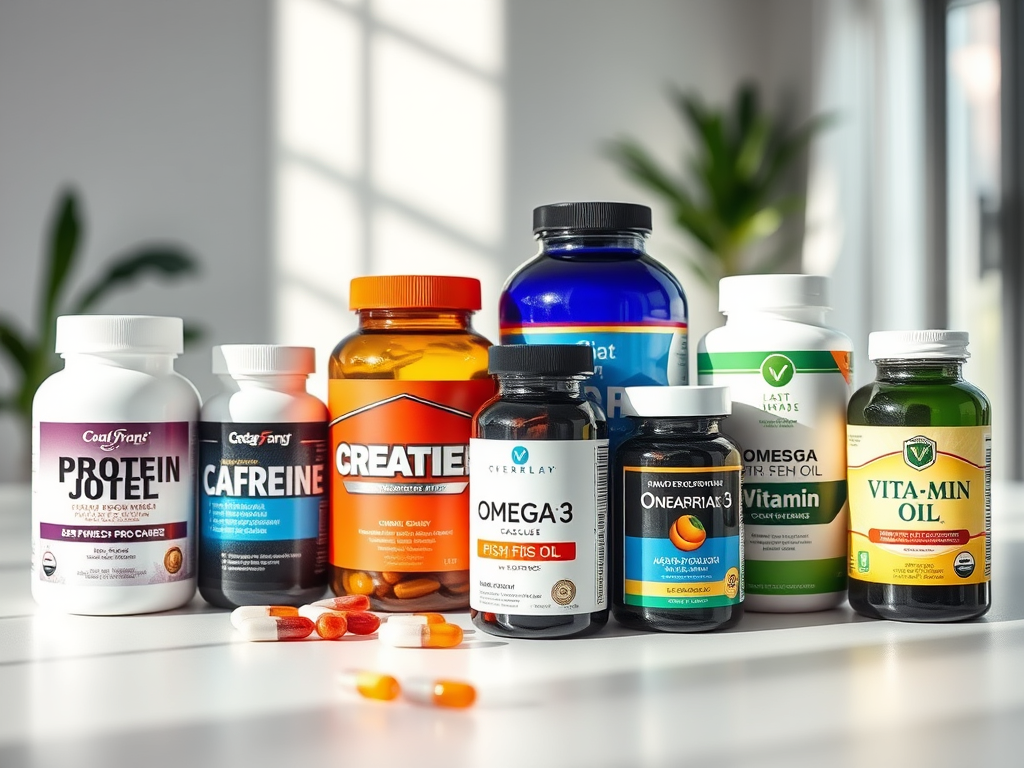
The supplement industry is worth billions—and thrives on confusion. Promises of rapid fat loss, instant muscle growth, boosted testosterone, and “detoxification” flood the market, often backed by aggressive marketing rather than solid science.
The truth is less exciting but far more useful: most progress comes from training, nutrition, sleep, and consistency. Supplements can help—but only a small number, in specific situations.
This article provides an honest, evidence-based breakdown of supplements: which ones actually help, which are neutral, and which are largely a waste of money. It is a core satellite article within the pillar guide Health and Fitness: The Complete Guide to Building a Healthy Body and an Active Life.
What Supplements Really Are (and Are Not)
Dietary supplements are intended to supplement an already solid foundation—not replace it.
Supplements cannot:
- Compensate for poor diet
- Replace training
- Override lack of sleep
- Fix inconsistent habits
They can, however:
- Address specific deficiencies
- Support performance and recovery
- Improve convenience
Expect support—not miracles.
The Evidence Hierarchy
When evaluating supplements, prioritize:
- Human clinical studies
- Consistent results across populations
- Realistic effect sizes
A supplement that works slightly but consistently is more valuable than one that promises extreme results.
Supplements That Actually Help (Evidence-Based)
Protein Powder
Why it helps:
- Supports muscle growth and recovery
- Improves satiety
- Convenient protein intake
Protein powder is not magical—it is simply food in powdered form. It is useful when meeting protein needs through whole foods is difficult.
Best options:
- Whey protein
- Casein protein
- High-quality plant blends
Creatine Monohydrate
Why it helps:
- Increases strength and power
- Improves training performance
- Supports muscle mass over time
Creatine is one of the most researched supplements available.
Typical dose:
- 3–5 grams per day
It is safe for healthy individuals when used appropriately.
Caffeine
Why it helps:
- Improves focus and alertness
- Enhances endurance and strength performance
- Reduces perceived effort
Sources include:
- Coffee
- Tea
- Pre-workout formulas
More is not better—tolerance builds quickly.
Omega-3 Fatty Acids (Fish Oil)
Why it helps:
- Supports heart health
- Reduces inflammation
- May support joint health
Best used when fatty fish intake is low.
Vitamin D (When Deficient)
Why it helps:
- Supports bone health
- Plays a role in immune and hormonal function
Vitamin D is most useful for individuals with limited sun exposure.
Supplements That Can Help in Specific Cases
Magnesium
May support:
- Sleep quality
- Muscle relaxation
- Stress management
Best used when dietary intake is low.
Electrolytes
Useful for:
- Heavy sweaters
- Endurance training
- Hot climates
They are not necessary for short, low-intensity workouts.
Fiber Supplements
Can help improve:
- Digestive health
- Satiety
Whole foods should remain the primary fiber source.
Supplements That Are Often a Waste of Money
Fat Burners
Most fat burners rely on:
- Stimulants
- Appetite suppression
They do not create meaningful fat loss without proper diet and training.
Testosterone Boosters
In healthy individuals, most over-the-counter testosterone boosters:
- Do not meaningfully raise testosterone
- Rely on marketing, not science
Lifestyle factors matter far more.
Detox and Cleanse Products
Your liver and kidneys already detoxify your body effectively.
Detox products are unnecessary and often misleading.
BCAAs (For Most People)
If protein intake is sufficient, BCAAs offer little added benefit.
Pre-Workouts: Helpful or Harmful?
Pre-workouts are often a mix of:
- Caffeine
- Flavoring
- Under-dosed ingredients
They can improve focus but may cause dependence and sleep disruption.
Simple caffeine often works just as well.
Supplements and Weight Loss
No supplement produces meaningful fat loss on its own.
Fat loss supplements may:
- Slightly increase energy expenditure
- Suppress appetite temporarily
But long-term results depend on habits, not pills.
Safety, Quality, and Regulation
Supplements are not regulated like medications.
Important considerations:
- Choose third-party tested products
- Avoid proprietary blends
- Be cautious with extreme claims
When in doubt, simplicity wins.
How to Decide If You Need a Supplement
Ask yourself:
- Is my diet already solid?
- Do I have a known deficiency?
- Will this supplement address a specific need?
If the answer is unclear, the supplement is likely unnecessary.
A Practical Supplement Hierarchy
- Nutrition
- Training
- Sleep
- Stress management
- Supplements
Reversing this order leads to disappointment.
Who Supplements Are Most Useful For
Supplements may benefit:
- Busy professionals
- Athletes
- Older adults
- People with dietary restrictions
They are optional—not mandatory.
Final Thoughts
Supplements should support a healthy lifestyle—not replace it.
A few well-chosen supplements can help. Most are unnecessary.
Spend your money where it matters: food quality, training, recovery, and consistency.
That is the real return on investment.